The History Of French Door Window Replacement


French Door Window Replacement
French doors are a beautiful design element for homes. They also provide the best view. French doors are also a popular choice for improving energy efficiency.
If one or more of your French door windows are broken it could be time to replace it. Replacement of French door window glass is a DIY project that's affordable.
Replacement Panes
French doors are a common choice for windows in homes, providing an elegant and timeless design. French doors are typically covered in glass to let views and sunlight enter the home and also brighten the interiors. However, the glazed panes can also be an issue for security in the event that they break or crack. It is not necessary to purchase the entire door to replace a damaged or cracked window pane. All you need are a few simple tools, some elbow grease, and an understanding of the way glass operates.
Replacement panes for french door windows are available in different styles and materials. They can be transparent, colored or constructed of safety glass for impact protection. They can also be designed or etched to add an element of privacy or design to windows. Finally windows can be insulated with low-E film or even argon gas to boost energy efficiency and limit glare and UV radiation.
To replace a broken window pane, remove the broken glass first from the frame. Wear gloves and goggles throughout this process to prevent injury. After the old glass has been removed, the frame needs to be cleaned to ensure no debris or dust is left behind. To clean the frame, it's a great idea to scrape the edges of the frames, and remove any glazing points.
After the frame has been cleaned, the new glass can be placed in the frame and secured. To avoid leaks, misalignment, and other issues, it's crucial that the glass be matched exactly to the frame you have. Typically, french door glass replacement repairmywindowsanddoors is secured with double-sided tape or caulk. After the putty is dry, it should be painted or covered with trim to complete the task.
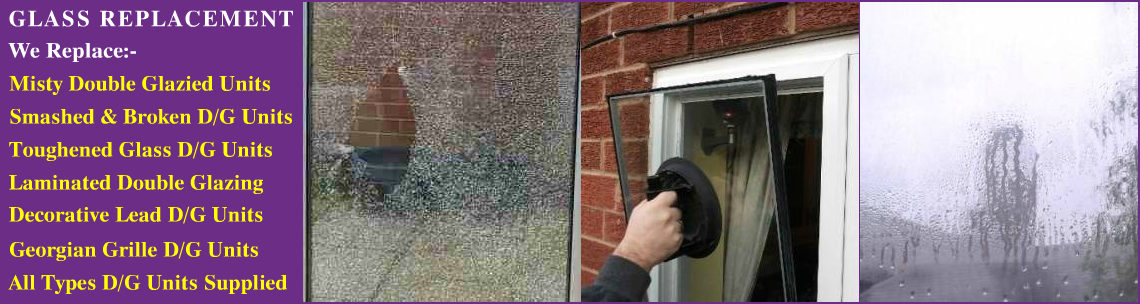
If your French doors are made up of dual-pane windows and seals, the seals between them can be damaged and allow moisture to get into the area and create a hazy appearance or loss of insulation. This is typically caused by aging and can be resolved by hiring a professional to replace or repair the seals of the existing glass units that are insulated (IGUs). It is possible to replace the window pane on an French door by a new insulated unit, as long as you have the right measurements.
Frames
The frame is the thing that holds the glass and provides support for the door when it swings open and closed. The frames for french doors can be found in metal composite, wood, or vinyl. They can be painted or stained. The frames made of wood are usually stained and then finished with a clear top coat to protect them from the elements. The other frame materials can be left unfinished or painted with a color of your choice. Many of our clients choose to keep their frames as is and replace the damaged glass. This can give your home a fresh appearance at a fraction of the cost of replacing the entire door system.
It is advised that if you wish to stain your doors, you do it in a room with adequate ventilation and follow the instructions, precautions and guidelines of the paint manufacturer. First lightly sand the surfaces to be stained. Let dry after cleaning using mild detergent mix. After the surfaces have dried they can be coated with an opaque acrylic base coat. Allow each coat to fully dry between coats. Finally a clear top coat should be applied following the instructions of the paint maker.
It is crucial to select the correct glass for your french doors, for both security and performance. The glass should be temperable. This is safer in the event of a breakage than regular annealed. Tempered glass also does a better job of controlling the heat and reducing glare within your home, and is much less likely to form condensation between the two layers of glass.
The glass inserts that you install in your French doors could be a single piece that covers the entire door (1 lite) or they could feature a grid at the bottom, referred to as a divided lite. Divided lites are an iconic feature that exudes elegance and blends with various architectural styles.
It is crucial to replace the glass on your French doors with an entirely new glass that has the exact same thickness as the old. This will ensure a strong seal and a proper operation. Insulated window glass can be as thick as 3/4". However, decorative "triple-glazed" glass (two pieces of clear glass with a decorative piece in the middle typically with metal caming) can reach up to 1/2". When replacing a window it is crucial to choose the proper thickness of glass. Windows that are too thin might not seal properly or be difficult to open.
Hardware
Certain French doors are made of glass that cover the entire door (1 light), while others have a standard pane at the bottom and a top-only glass. In these cases, if the glass on the door is damaged, it needs to be replaced.
There are many things to consider when replacing the French-door window. The first is to determine the type of glass required. Safety glass is available and can protect against intruders, reduce glare and control UV (ultraviolet) radiation. It is more robust than regular annealed glass and will not break into sharp, jagged pieces.
The other thing to think about is the hardware to be employed. It is essential to choose the correct hardware to complement the style of the window and door. It should be user-friendly and sturdy enough to last for years.
Once the replacement glass is installed There will be a few finishing touches that have to be taken care of. The trim around the glass must be removed and the nails will need to cut. It is best to do this by hand or with a hacksaw. The trim can then be reattached and the nail holes plugged with caulking or putty.
Installation
French door windows provide a natural connection between indoor and outdoor spaces. Whether they are installed with a single pane of glass or a multi-pane design they add style and elegance to any home. In some cases they may require replacement or repair to function properly. Replacing French windows and doors can be a difficult project for homeowners, but it is feasible with careful planning. Selecting the right products and following the correct steps can lead to amazing results.
Prior to starting the replacement process, it's important to clear out the area around the window. It is also a good idea to protect the walls and floors with protective covers. Once the area is clear take out any hardware and glazing points from the frame. Use a pry bar and utility knife to remove the sash and trim. After the old window has been removed clean and sweep the area to remove any remnants.
Add insulation after the window is installed to increase energy efficiency and comfort. This is especially important if your old windows were double-paned and were prone to moisture between the panes. This can cause the glass to be damaged and create an oily film within the window.
The best type of insulation for these areas is fiberglass. It can be used to control both temperature and sound. It is readily available at many hardware stores and is simple to put up.
To install the insulation, cut a piece to size and then apply drywall tape to the seams. Then, mud the seams, wait for it to dry and then sand until the surface is smooth. Paint the exterior window trim and the sash casings to match your home.
Replace the wooden stoppers on the sides and the bottom of the frame when the sash has been shut. Nail them into place with the 4d nail. Then slide the sash downwards to within 10 inches. of the window sill. Utilizing a screwdriver, tighten the sash lifts by sliding it in the groove of the parting stop and shifting it slightly from horizontal to vertical.